Washer Not Filling With Water? Common Causes and What to Do
2026-03-06
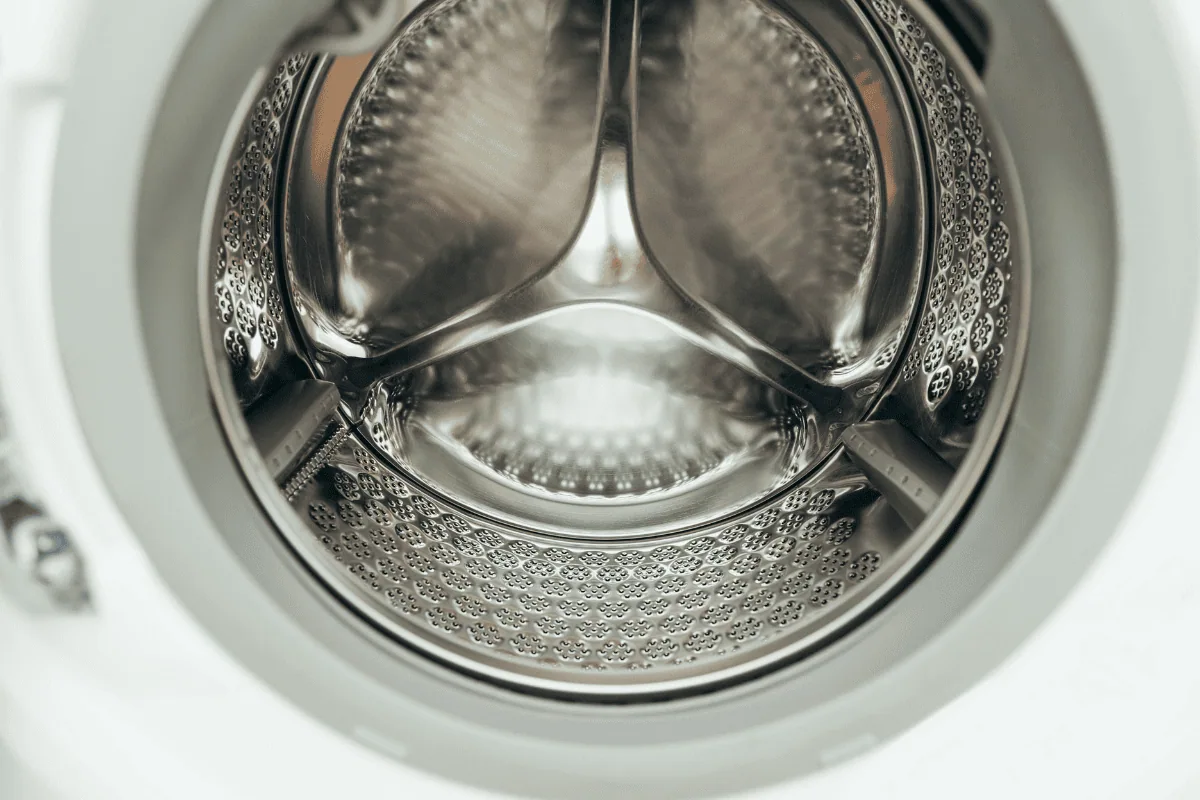
If your washer not filling with water is causing problems, the issue may involve more than a minor inconvenience. You might notice wet laundry sitting in the drum or hear the machine humming without the cycle beginning, and the situation can quickly become frustrating.
Understanding the potential reasons can help you recognize the warning signs and know when it is time to schedule service.
Washer Not Filling With Water: Common Causes and What They Mean
When a washer fails to fill, the problem usually falls into one of three categories: water supply restrictions, failed components, or control system issues. Below are the most common causes, starting with the simplest and progressing to more complex concerns.
Closed or Partially Closed Shutoff Valves
Your washer relies on two water shutoff valves, typically located on the wall behind the appliance. If one of these valves is partially closed, the washer may fill very slowly or not at all.
This situation is especially common after plumbing work or home repairs, when valves may not have been fully reopened. If accessible, you can visually confirm that both valves appear fully open. If the washer still does not fill properly after confirming this, further diagnosis may be needed.
Clogged or Kinked Water Supply Hoses
Water supply hoses carry hot and cold water from your home’s plumbing system into the washer. If a hose becomes kinked or sharply bent, water flow can be restricted.
Over time, mineral buildup may also accumulate inside the hose or connection points. A careful visual inspection can help identify obvious kinks or external damage. If hoses appear worn or restricted, replacement may be necessary. If everything looks normal and the washer still does not fill, the issue may be internal.
Clogged Water Filter Screens Inside the Washer
Many washing machines contain small mesh filter screens inside the water inlet valve ports. These screens are designed to catch debris before it enters the valve assembly.
In real-world service calls, these screens frequently become clogged with:
-
Rust flakes from older plumbing
-
Sediment
-
Hard water mineral deposits
When these screens are blocked, water flow into the washer can slow significantly or stop completely.
Accessing these screens requires disconnecting the water supply hoses and should be done carefully to avoid damaging the inlet valve threads. If you are unsure or notice corrosion or resistance during removal, it is best to have a technician handle the inspection to prevent damage.
Flood-Safe or Auto-Shutoff Hoses
Some newer homes are equipped with braided flood-safe hoses that automatically shut off if they detect abnormal or continuous water flow. While designed to help prevent water damage, these hoses can sometimes trigger unexpectedly.
If activated, they may completely block water from entering the washer, making it appear as though the appliance itself has failed. This is a surprisingly common cause in newer installations.
If flood-safe hoses are suspected, a professional can determine whether the hose has triggered and whether replacement is necessary.
Faulty Water Inlet Valve
The water inlet valve controls the flow of water into the washer during each cycle. When the control system signals the valve to open, water enters the tub at the appropriate temperature.
If the valve fails mechanically or electrically, the washer may not fill at all. Common signs include:
-
A humming sound without water entering
-
Very slow filling
-
Filling with only hot or only cold water
-
No filling during any cycle
Inlet valves are sealed assemblies and are typically replaced rather than repaired. Because they involve both electrical components and water connections, professional diagnosis and installation are strongly recommended.
Pressure Switch or Water Level Sensor Failure
Washers must detect when the proper water level has been reached. Older machines use a pressure switch connected to a small air tube. As the tub fills, air pressure changes inside the tube, signaling the switch when to stop filling.
If the air tube cracks, detaches, or becomes clogged, the washer may falsely detect that it is already full and never begin filling. In other cases, the pressure switch itself may fail.
Newer washers use electronic pressure sensors instead of traditional mechanical switches. These sensors can also malfunction, leading to inaccurate water level readings or a complete failure to fill.
Pressure-related failures are moderately common and are often diagnosed during routine service calls. Because these components are internal and tied into the control system, accurate diagnosis requires professional testing equipment and experience.
Malfunctioning Lid Switch or Door Lock
Modern washers include safety mechanisms that prevent operation when the lid or door is not securely closed. In top-load washers, this is typically a lid switch. Front-load models use a door lock assembly.
If this component fails, the washer may not begin filling because it does not register that the door is safely closed. The appliance may appear unresponsive or may stop early in the cycle.
Lid switches and door locks are more common failure points than control boards. These safety components should never be bypassed.
If a lid switch or door lock assembly is defective, replacement by a qualified technician is the safest solution.
Control Board or Timer Issues
The control board or timer directs each phase of the wash cycle, including the fill stage. While less common than valve or sensor failures, control board issues can prevent the washer from initiating the fill cycle.
Symptoms of control-related problems can include:
-
Inconsistent cycle behavior
-
Buttons not responding
-
The washer starts but never fills
-
Random error codes
Electronic failures can mimic other problems, which makes professional testing essential.
Low Water Pressure in the Home
Adequate household water pressure is necessary for proper washer operation. If your home is experiencing low pressure, the appliance may struggle to fill or may take significantly longer than normal.
If multiple fixtures in your home show reduced flow, the issue may be plumbing-related rather than appliance-related. However, if water pressure appears normal elsewhere and the washer alone is affected, the cause likely lies within the appliance.
How to Help Prevent Washer Fill Issues
While some washer fill problems are caused by part failures, others develop gradually over time. A few routine checks can help reduce the risk of water flow issues and support more reliable washer performance.
Check Water Shutoff Valves if Performance Changes
Make sure both hot and cold water valves behind the washer are fully open, especially after plumbing work or repairs. A partially closed valve can restrict water flow and prevent the washer from filling properly.
Inspect Hoses for Kinks or Damage
Look behind the washer to make sure the water supply hoses are not bent, pinched, or visibly worn. Restricted hoses can reduce water flow and contribute to filling problems.
Watch for Slower Fill Times
If the washer begins filling more slowly than usual, sediment buildup in the hoses or inlet screens may be affecting water flow. Catching this change early can help prevent more serious performance issues.
Use the Recommended Amount of Detergent
Using too much detergent can leave residue inside the washer over time. Following the manufacturer’s detergent guidelines can help support proper operation.
Pay Attention to Household Water Pressure
If water pressure seems low throughout the home, the washer may also be affected. Noticing these changes can help determine whether the issue is related to the appliance or the home’s plumbing system.
Schedule Service for Recurring Problems
If fill issues happen more than once or performance continues to change, professional service can help identify the cause before the problem becomes more serious.
Taking a proactive approach can help reduce unexpected interruptions and keep your washer operating more reliably.
Final Thoughts: Washer Not Filling With Water
When a washer not filling with water becomes a recurring problem, professional diagnosis is the safest way to prevent further damage and restore reliable performance.
For accurate troubleshooting and dependable service, contact our trusted washer repair professionals at Mid America Service and schedule an evaluation.