What Causes Freezer Frost Buildup and Why It Shouldn’t Be Ignored
2026-01-14
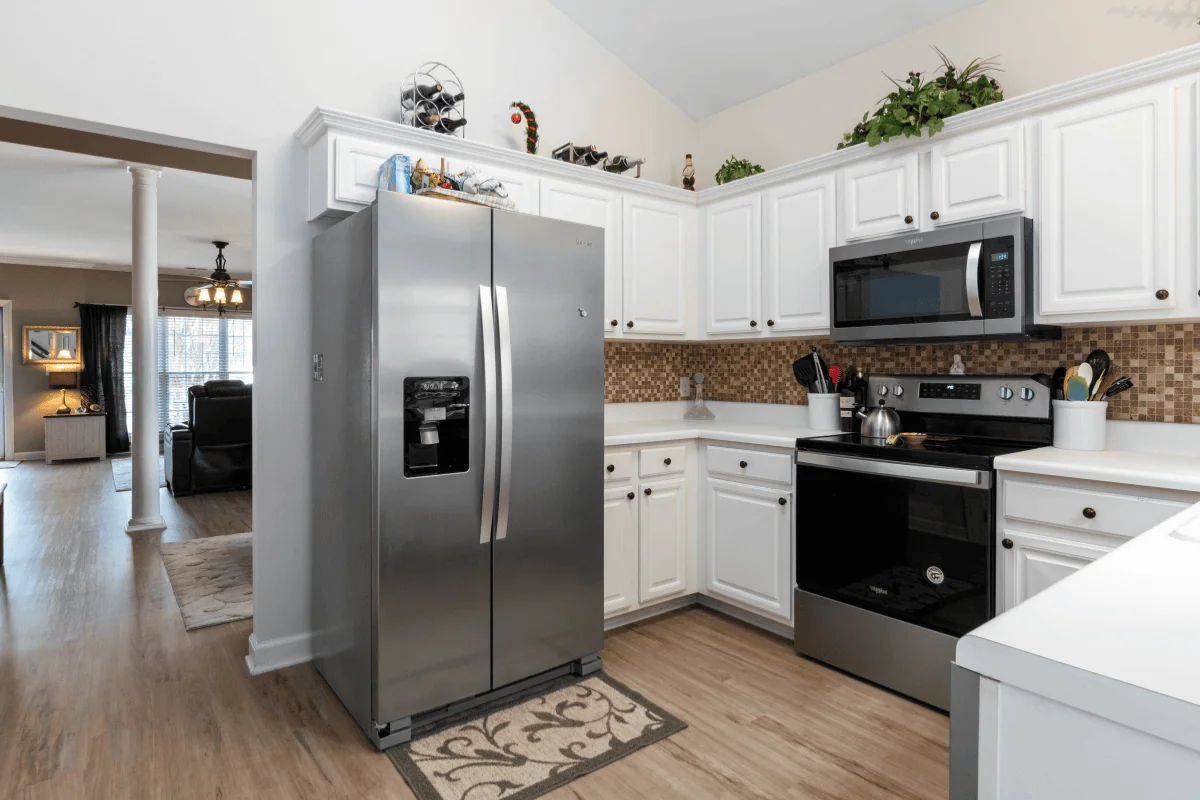
Freezer frost buildup is a common issue, but it does not always mean the same thing for every appliance. Ongoing freezer frost buildup can interfere with temperature control, reduce usable storage space, and place added strain on internal components.
Knowing the most common causes helps homeowners recognize when frost is expected and when professional service is needed.
Freezer Frost Buildup: Common Causes Homeowners Should Know
Freezer frost buildup occurs when moisture enters the freezer and freezes on cold surfaces. Frost-free freezers are designed to manage this moisture through an automatic defrost system. Manual-defrost freezers, including many chest freezers and some upright models, naturally build frost over time and require periodic defrosting as part of normal use. In those models, the presence of frost alone does not automatically indicate a malfunction.
When frost becomes excessive, uneven, or returns quickly in a frost-free freezer, it often signals a problem. With that in mind, let’s take a closer look at what typically causes freezer frost buildup.
Is Freezer Frost Buildup Normal?
Whether frost is “normal” depends on the type of freezer you have.
-
Manual-defrost freezers (many chest and some upright models): A thin, even layer of frost that builds gradually is expected. If frost starts building up quickly or becomes thick in a short time, frequent door openings, high indoor humidity, or a door-sealing issue may be contributing.
-
Frost-free freezers: A small amount of frost after heavy use can happen, especially during humid weather or when the door is opened often. But if heavy frost keeps returning or cooling performance drops, it often points to a seal, airflow, or defrost-related issue.
Damaged or Worn Door Gasket
The door gasket creates an airtight seal between the freezer door and the cabinet. When the gasket becomes cracked, stiff, or worn, warm air can leak into the freezer. That incoming air carries moisture, which freezes on interior surfaces and contributes to frost buildup.
Homeowners may notice visible damage, gaps, or moisture around the door opening. While a surface inspection is safe, persistent frost often requires professional evaluation to ensure the gasket is sealing properly and the door is closing as it should.
Door Alignment or Sagging Hinges
Even when a gasket is in good condition, the freezer door must close evenly for the seal to work. Over time, hinges can shift or sag, especially on frequently used freezers or doors that carry heavy loads.
When the door does not press evenly against the cabinet, small gaps allow warm air to enter. This commonly leads to frost forming along the front edges or corners of the freezer. Door alignment issues are mechanical and should be professionally evaluated to prevent continued air leaks and premature gasket wear.
Dirty Door Gasket Preventing a Tight Seal
A gasket does not have to be damaged to cause freezer frost buildup. Grease, crumbs, food residue, or ice along the gasket surface can interfere with the seal and allow warm air inside.
If frost returns quickly after cleaning, it may indicate a sealing or alignment issue that should be professionally evaluated. In many cases, what appears to be a failing gasket is actually a door or alignment problem.
Frequent Door Openings or Improper Door Closure
Every time the freezer door opens, warm, humid air enters the compartment. Frequent use, extended door openings, or doors that are not fully closed can significantly increase moisture levels inside the freezer.
In homes with higher indoor humidity, these conditions can accelerate frost buildup. If frost continues despite mindful usage, an underlying sealing or airflow issue may be contributing to the problem.
Overloading or Items Preventing Full Door Closure
Overstuffing the freezer or storing items that press against the door can prevent it from closing completely. Even small obstructions can create gaps that are easy to miss but large enough to allow warm air inside.
This often results in frost forming near the front of the freezer or on shelves closest to the door. Persistent frost in these areas may point to door sealing or alignment concerns that require professional inspection.
Warm Food or Uncovered Liquids Inside the Freezer
Moisture can also come from inside the freezer. Placing warm food or uncovered liquids into the freezer releases moisture as temperatures drop, which then freezes onto interior surfaces.
In frost-free models, repeatedly introducing warm or moist items can increase frost formation and may expose underlying sealing, airflow, or defrost-related issues that contribute to recurring frost buildup.

Blocked Air Vents Inside the Freezer
Freezers rely on proper airflow to distribute cold air evenly and regulate moisture. Interior vents allow cold air to circulate and return to the cooling system. When vents are blocked by food items or packaging, airflow becomes restricted.
Restricted airflow can cause cold air to concentrate in certain areas while moisture freezes elsewhere, leading to uneven frost patterns. In some cases, poor airflow can also contribute to evaporator icing, which worsens frost accumulation and cooling performance. Persistent frost near vents should be evaluated by a professional.
Defrost System Malfunctions (Frost-Free Models)
Frost-free freezers use an automatic defrost system to periodically melt frost from the evaporator coils so moisture can drain away properly. When defrost components fail, frost continues to accumulate instead of being removed.
Because diagnosis often requires electrical testing and access to internal components, defrost system repairs are best handled by a qualified appliance repair technician.
Blocked or Iced Defrost Drain
During the defrost cycle, melted frost must drain out of the freezer. If the defrost drain becomes blocked or frozen, water cannot exit properly and may refreeze inside the compartment.
This often shows up as water or ice pooling at the bottom of the freezer compartment, or as a solid sheet of ice beneath drawers in bottom-freezer refrigerators. Defrost drain issues are internal and should be addressed by a professional to prevent repeat ice buildup.
Ice Maker or Fill Tube Leaks (If Equipped)
Freezers equipped with ice makers rely on controlled water flow. If an ice maker or fill tube leaks, it can introduce a steady source of moisture into one area of the freezer.
This typically results in localized ice buildup rather than evenly distributed frost. Fixes can involve the icemaker module, inlet valve, or fill tube, so professional inspection is recommended.
Frost Patterns and What They Often Indicate
The location of frost can provide helpful clues about what may be causing the problem:
-
Frost near the door or front edges: often points to air leaks from sealing issues, door alignment problems, obstructions, or frequent door openings
-
Thick frost on the back interior panel of frost-free upright freezers: commonly suggests a defrost system problem or evaporator icing
-
Frost concentrated near vents: may indicate restricted airflow or circulation issues
-
Ice pooling at the bottom or sheets of ice beneath drawers: often signal a blocked or frozen defrost drain
While these patterns can help narrow down possible causes, professional diagnosis is essential to confirm the issue and restore proper operation.
Safe Checks Homeowners Can Try
Before assuming there’s a repair issue, a few simple checks can help reduce unnecessary frost:
-
Make sure nothing is blocking the door from closing fully (bags, bins, pizza boxes, bulky packaging).
-
Confirm drawers and baskets are fully seated, especially in bottom-freezer refrigerators (a slightly misaligned bin can prevent a tight seal).
-
Clean the door gasket with warm soapy water, then dry it thoroughly.
-
Try the paper test: close the door on a sheet of paper and gently pull. If it slides out easily in one spot, the seal may be weak in that area.
-
Check that air vents aren’t covered and the freezer isn’t packed so tightly that air can’t circulate.
When to Call a Professional
If any of the following are happening, it’s a good idea to schedule service:
-
Frost returns within a few days after clearing it.
-
The freezer won’t stay below ~0°F / -18°C, food is softening, or ice cream is no longer firm.
-
You hear loud fan noises, clicking, or the unit runs almost constantly.
-
Water pooling or a recurring sheet of ice keeps forming at the bottom or beneath drawers.
-
You notice a bulging ice buildup behind the rear panel, which often indicates evaporator icing or a defrost system problem.
Final Thoughts on Freezer Frost Buildup
Freezer frost buildup is a common issue, but it does not always mean the same thing for every appliance. Some freezers are designed to minimize frost automatically, while others naturally accumulate frost as part of normal operation. Understanding the difference is important because frost is only a problem when it is excessive, abnormal for the freezer type, or begins affecting performance.
If frost continues to return or worsens over time, scheduling service with the St. Peters freezer repair specialists at Mid America Service is the safest way to protect your freezer and avoid more costly damage. A trained technician can accurately diagnose the source of freezer frost buildup and restore reliable performance.